




Nigerian farmers grew the food. The harder question is whether the people who want to buy it will ever find them.
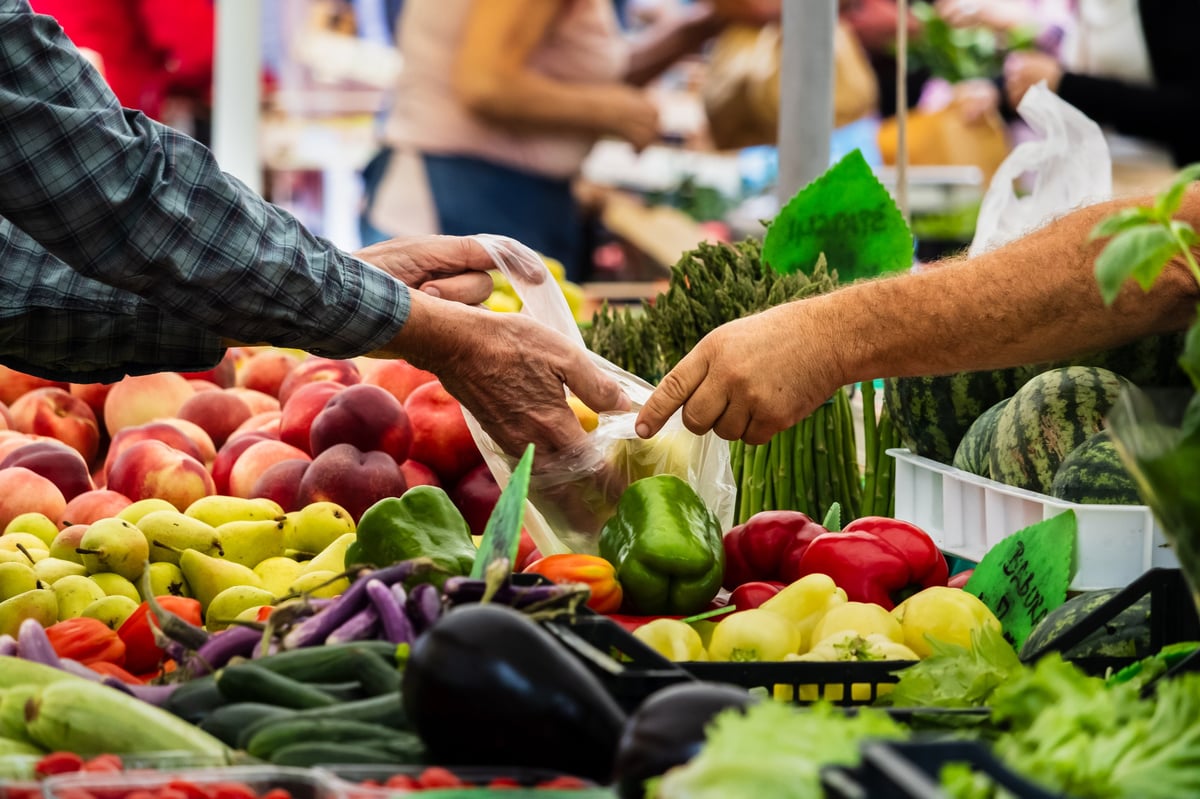
[note]Amina is an illustrative composite, not a real person. Her story is built from patterns farmers describe in the reporting cited below.[/note]
Amina is on her farm an hour outside Abuja at 5:30am. The tomatoes are red, the maize is dry and the truck is late.
By the time it arrives, three buyers have already called. Each one gives the same message: there is too much supply today, so here is the price. None of them mentions what the tomatoes will fetch in the city that evening.
This is not an invented market dynamic. In its reporting on women farmers in Oyo State, the International Centre for Investigative Reporting (ICIR) describes farmers being told that prices reflect the previous day’s market or that there is too much supply. Some are left selling at whatever price is offered because they have few alternatives.
Amina sells. The truck leaves. She will never see what her harvest costs a few hours later.
Amina’s frustration reflects a wider tension in Nigeria’s agricultural economy.
According to Leadership’s reporting on the NBS Q2 2026 GDP figures, agriculture grew 4.39% year-on-year in the second quarter of 2026, up from 2.82% in the same quarter a year earlier. The report also notes that sector growth has not necessarily translated into improved farmer incomes, with high input costs, falling prices and insecurity affecting profitability.
Agriculture contributed 23.16% of real GDP in the first quarter of 2026, according to the NBS Q1 2026 GDP figures reported by allAfrica.
Meanwhile, in the city:
- [[b]]Food inflation was 19.59% year-on-year in September 2026, and Lagos recorded the highest state-level food inflation rate at 34.40%, according to Voice of Nigeria’s report on the NBS inflation figures.
- [[b]]A BusinessDay analysis of Nigeria’s food supply chain describes produce reaching Lagos, Abuja and Port Harcourt at several times its farm-gate value.
- [[b]]The same BusinessDay article reports estimates that Nigeria loses between 30% and 50% of perishable produce to post-harvest waste. Separately, ICIR’s investigation into post-harvest losses in Oyo State documents how poor roads, delays, inadequate storage and market conditions can erode farmers’ earnings.
The gap between farm-gate prices and city prices is not explained by one factor alone. Transport, storage, spoilage, market structures and intermediary margins all matter.
The report on concerns raised by the All Farmers Association of Nigeria describes middlemen buying from farmers under financial pressure, storing produce and later selling it at higher prices.
Farmers can lose margin along that chain, while city buyers face higher prices. The challenge is not simply producing food. It is getting food to the right buyers under better conditions.
The gap isn’t only on the farm. A restaurant owner in Wuse, a caterer in Lekki and a household in Gwarinpa may want reliable access to produce but have no clear way to discover a cooperative, learn what it supplies or find out how to order directly.
In its analysis of Nigeria’s agricultural value chain, BusinessDay points to Kenya’s mobile-based platforms as examples of systems that help farmers aggregate supply, access price information and connect with buyers.
The lesson for advertising is narrower but useful: a market connection cannot work for potential customers who do not know the supplier exists. Visibility can help close that discovery gap, provided the business also has the supply, pricing, logistics and ordering process to serve the demand.
Digital screens in Abuja and Lagos can put an agricultural business’s message in front of urban audiences, including commuters, restaurateurs, procurement managers and households. Here is how a farm-linked business could use them.
- [[n]]Reach urban buyers directly. An agro-processor, farmers’ cooperative or farm-to-table brand can promote a clear offer, such as fresh produce, direct supply or bulk orders.
- [[n]]Time campaigns to the harvest. A screen campaign can be scheduled around the weeks when supply peaks and direct selling is a priority.
- [[n]]Change the message when the season changes. Digital creative can be updated between campaigns, allowing a tomato message to follow the tomato season.
- [[n]]Turn a glance into an enquiry. A QR code or WhatsApp number on the screen can direct interested buyers to an ordering channel, connecting physical advertising with digital discovery.
[note]A screen can help people discover a supplier. It cannot guarantee that those people will order, that a cooperative can fulfil demand or that the campaign will improve farm incomes.[/note]
Picture ten farms pooling a modest budget into one two-week digital campaign. The screen says, “Harvest season: order direct from our cooperative,” and offers a WhatsApp ordering link.
The idea is straightforward: the farms share the campaign cost, while potential city buyers get a way to discover the cooperative and enquire about its produce.
It isn’t a guarantee. The result would depend on factors including the offer, campaign location, audience, pricing, availability, delivery arrangements and how effectively enquiries are handled.
That example is a hypothesis, not a result.
Advertising won’t repair roads, build cold storage, lower fertiliser prices or end insecurity.
The World-Grain report on Nigeria, drawing on the USDA Foreign Agricultural Service, forecasts that Nigerian corn production will fall by 5% in the 2026–2027 marketing year, with high input costs and declining corn prices contributing to a reduction in harvested area.
No billboard changes those underlying conditions.
What advertising can address is a more limited problem: a farm, cooperative or agro-processing business may have a product to sell but lack visibility among potential buyers in the city.
Visibility is one part of the solution. The business still needs the capacity to fulfil orders and deliver what it promises.
SOTOE Billboards brings businesses closer to the audiences that matter through a platform designed to make outdoor advertising more accessible, transparent and straightforward.
Explore billboard and digital LED opportunities across Abuja and Lagos, compare locations and formats, and identify options that align with your campaign objectives.
Digital LED campaigns start at two weeks, while static billboard campaigns start at one month. On digital screens, your ad can be live in 15 minutes once payment is confirmed and your creative is vetted.
For farms, cooperatives and agro-processing businesses, this creates an opportunity to put products and supply offers in front of city audiences through carefully selected advertising locations. Campaign estimates help businesses explore their options before proceeding.
The goal is simple: make it easier for brands to get noticed and for the right audiences to discover what they offer.
Bawo Tiemo, Founder, SOTOE Billboards