

The Brand We Remember: Okin Biscuits, a Nigerian Legacy, and the Story of Being Seen
Some brands sell products. Others become part of our childhood. And sometimes, all it takes is a familiar name to bring the memories rushing back.
Childhood, and a familiar name
Close your eyes for a moment.
Think back to those childhood days when a few coins in your pocket could make you feel like the richest person in the world. The familiar walk to the neighbourhood shop. The glass display filled with sweets, biscuits and other little treasures. The excitement of choosing a treat, carefully counting your change, and holding your purchase as though it were something precious.
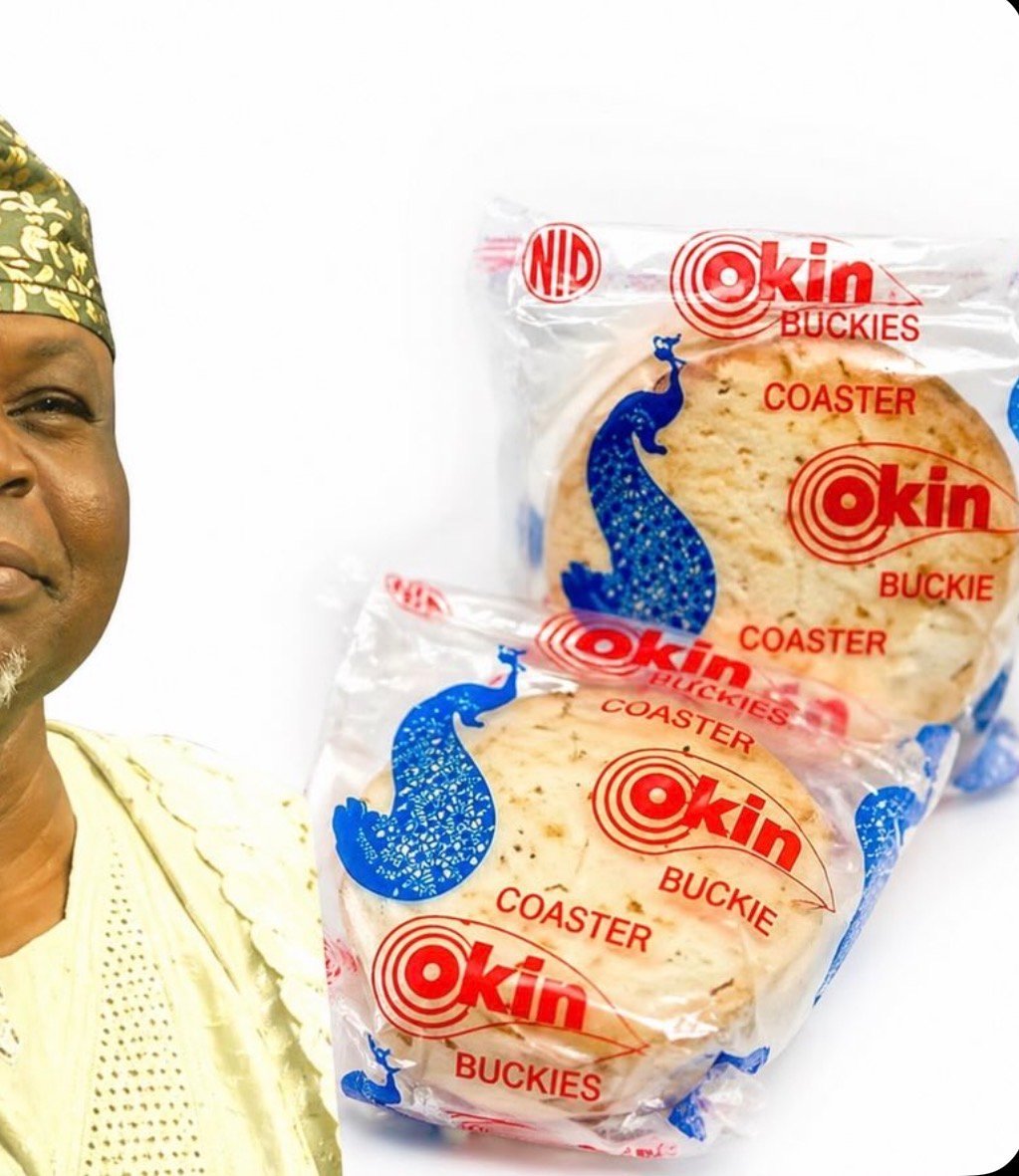
For many Nigerians, Okin Biscuits belongs somewhere in those memories.
Long before social media made brands compete for attention every second, familiar products earned their place in our lives through something much simpler: showing up, again and again, until they became part of our everyday experiences.
You might have forgotten the price of those biscuits. You might struggle to remember exactly when you last saw a packet. But a familiar brand has a way of taking you back.
That is the curious power of branding. Sometimes, a name remembers what the mind has almost forgotten.
The Man Behind the Memories
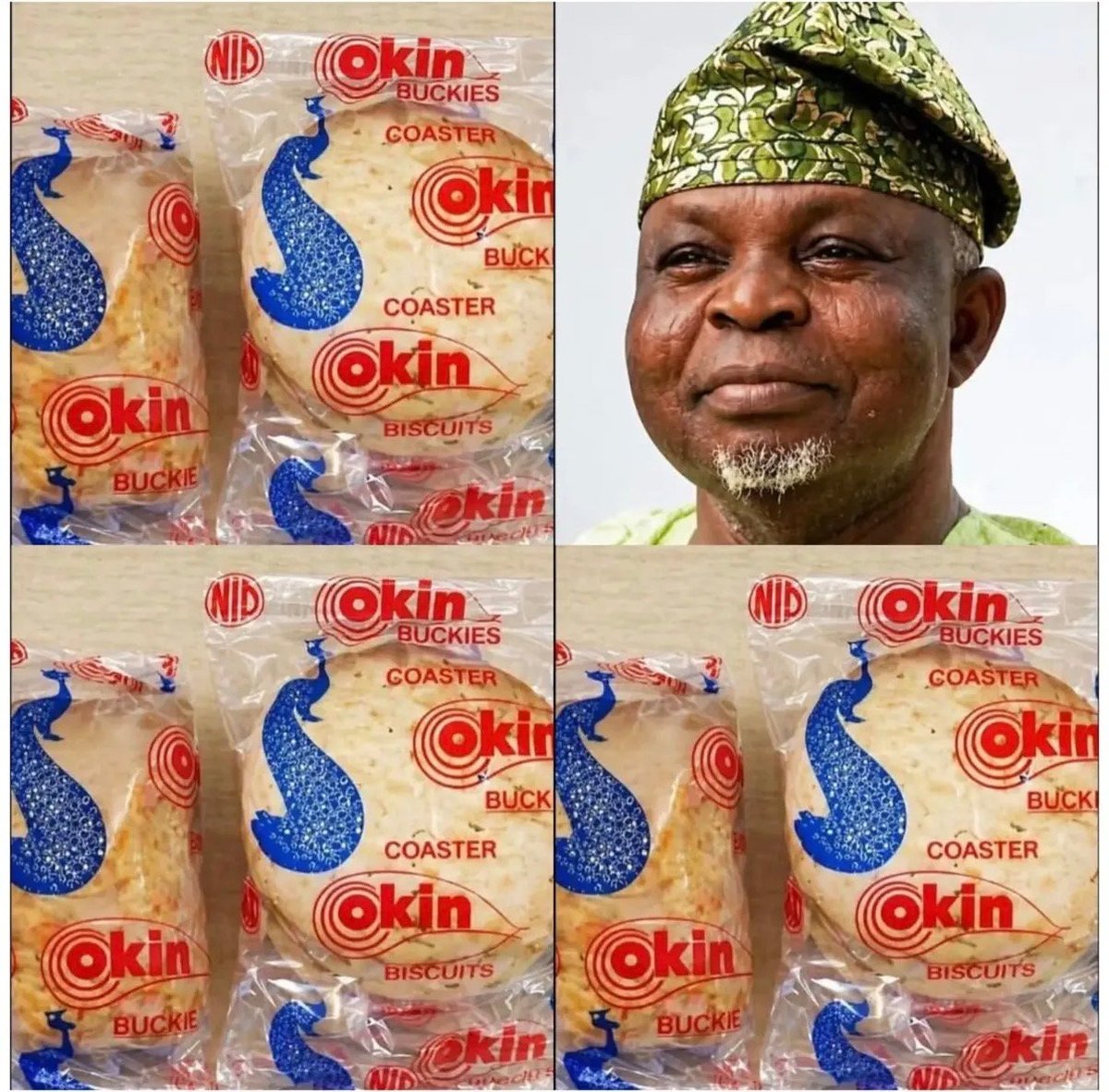
Behind the Okin name was the late Chief Emmanuel Olatunji Adesoye, an entrepreneur from Offa, Kwara State, whose ambition helped put a Nigerian biscuit brand on the map.
Founded in 1980, Okin Biscuits grew beyond a factory producing snacks. It became a recognisable name in Nigerian homes and shops, connecting a locally established business with generations of consumers.
Adesoye’s ambitions also extended into education through Adesoye College. His story reminds us that entrepreneurship can leave footprints beyond the products a company sells. A business can create employment, support suppliers, sustain families and contribute to the identity of the community in which it operates.
Think about what sits behind a simple packet of biscuits.
There are ingredients to source, people to employ, machinery to maintain, goods to transport and retailers to supply. There are families depending on wages and small businesses participating in the chain that brings a product from a factory to a shop.
One purchase may seem insignificant. Multiply that purchase across thousands of customers, countless retail outlets and years of operation, and you begin to appreciate the economic significance of a successful local manufacturer.
Okin was part of that story: Nigerian enterprise turning production into a familiar presence in everyday life.
When a Factory Goes Quiet, Does the Memory Disappear?
For a long time, Okin’s factory fell silent. BusinessDay reports that the Kwara factory collapsed in 2009 amid severe economic headwinds and intensified competition from new entrants. Years passed. Markets changed. New brands emerged. Childhood became adulthood.
Yet a brand’s history is not always measured by the time its products spend on a shelf.
Sometimes, its significance becomes clearer when it is no longer there.
In August 2026, Okin announced that biscuits had rolled off one of its rehabilitated production lines at its factory in Ijagbo, near Offa, for the first time in 17 years. It was a technical trial. The company said more testing, calibration and rehabilitation are needed before the biscuits return to the market, and no date for a full commercial return has been announced.
It was not the end of the story. It was the possibility of another chapter.
Imagine what that moment could mean to someone who remembers the brand from childhood: the name they once knew, the factory associated with it, and the prospect of seeing it return to the marketplace.
Nostalgia can bring people to the door. But rebuilding a business requires more than memories. It requires working equipment, consistent quality, reliable distribution and a product that earns its place in a new generation’s life.
Still, there is something powerful about the attempt to bring a familiar Nigerian name back into production.
It reminds us that businesses are built by people, sustained by communities and remembered for more than their balance sheets.
What a Brand Symbol Is Really For
Every brand needs something people can recognise at a glance. A name. A colour. A shape. A symbol.
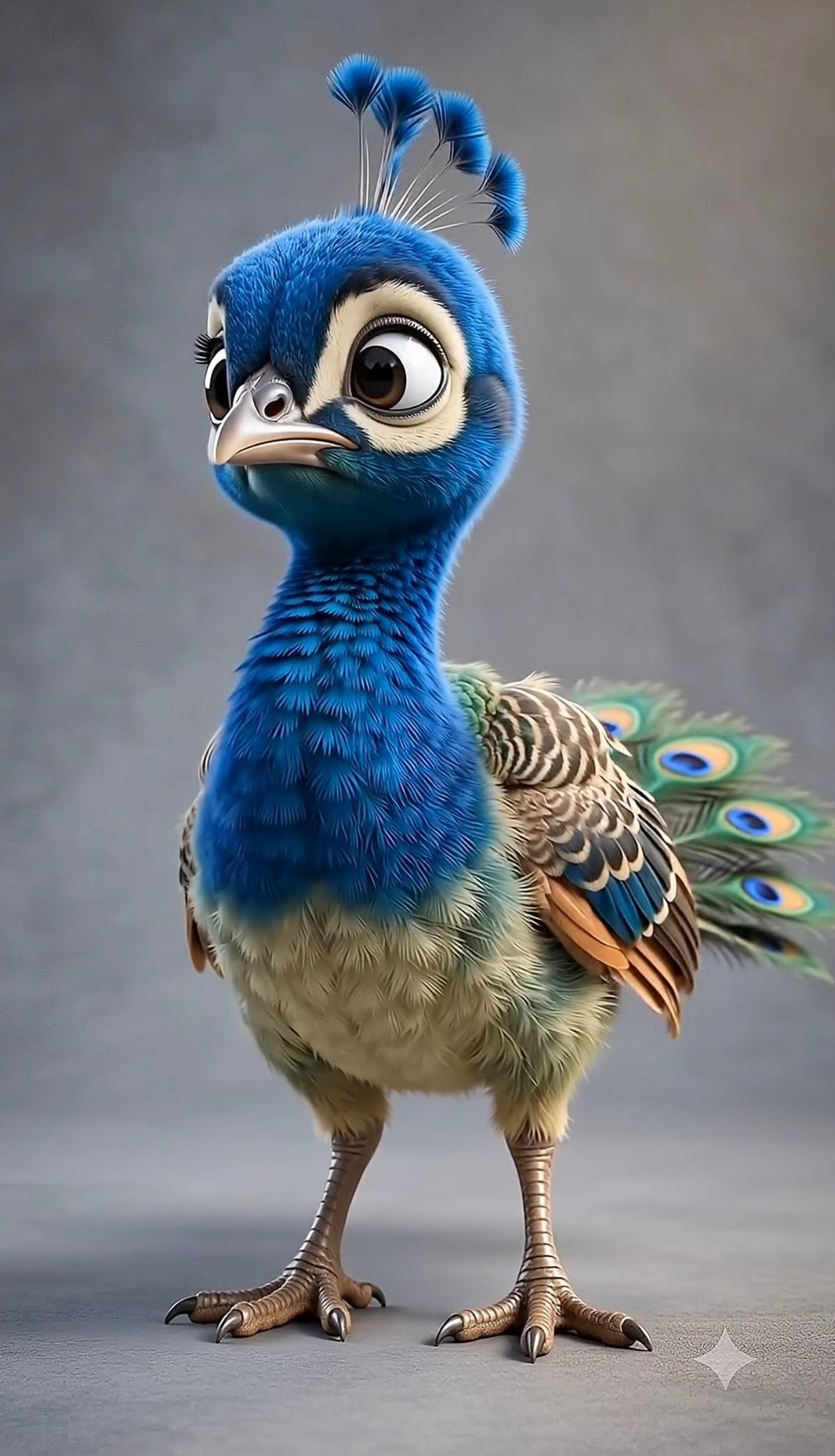
At SOTOE Billboards, ours is a peacock.
A peacock does not need to announce that it has arrived. Its appearance does the talking. There is colour. There is character. There is something distinctive enough to make you look twice.
SOTOE stands for Show Off Through Our Eyes. We built our brand around the idea that businesses should have a clearer, more accessible way to explore outdoor advertising and put their messages in front of relevant audiences.
Our peacock represents that ambition: helping brands find opportunities to stand out, make an impression and become easier to discover.
Okin’s story shows what a brand can become when recognition is earned over years. SOTOE exists to help today’s businesses start building theirs.
SOTOE Billboards has no connection to Okin Biscuits. We simply think its story says something true about why being seen matters.
From the Corner Shop to the City Skyline
Think about how much the world has changed since 1980.
Back then, a brand might build recognition through the products stocked by local shops, the recommendations of customers and the familiarity of seeing its name repeatedly.
Today, those foundations still matter. But businesses also compete in a world of crowded streets, endless digital feeds and customers whose attention is pulled in a hundred directions.
The challenge is no longer simply having something worth selling. It is helping the right people discover it.
A manufacturer may have a great product. A restaurant may serve an exceptional meal. A property developer may have homes worth considering. A growing business may have a service that solves a genuine problem.
But potential customers cannot choose what they do not know exists.
That is where visibility becomes commercially important.
Outdoor advertising gives businesses another way to place their messages in the physical world, where people commute, work, shop and spend their time. A carefully selected billboard location can help a brand become part of the environment its intended audience moves through.
It does not guarantee a sale. No billboard can promise that. But it gives a business an opportunity to be seen, and, with the right message and strategy, remembered.
SOTOE makes it easier for businesses to explore digital LED and static billboard opportunities across Abuja and Lagos, compare locations and formats, and identify options that align with their campaign objectives.
Digital LED campaigns start at two weeks, while static billboard campaigns start at one month. Once payment is confirmed and the creative is vetted, a digital ad can be live in 15 minutes.
The idea is simple: less friction between deciding to advertise and getting a brand in front of an audience.
The Real Lesson Behind the Memory
Perhaps the most interesting thing about Okin is not simply that it became a familiar name. It is that the brand left a memory.
That is what businesses ultimately hope to achieve.
Not just to sell once, but to become familiar. Not just to attract attention, but to earn recognition. Not just to appear in the marketplace, but to give people a reason to remember them.
Okin’s story reminds us of the role Nigerian businesses can play in manufacturing, employment and community development. Its attempted return also shows how difficult it can be to restore a business after years away from the market.
For SOTOE, the lesson is about helping other businesses take a step towards visibility.
What matters most is what each brand does with the attention it earns.
For one, it is the story of a biscuit brand woven into the memories of generations.
For the other, it is a commitment to making outdoor advertising easier to explore for businesses ready to show the world what they have to offer.
And perhaps that is the point. Being seen can start a story. What we build, what we deliver and what people remember: that is what gives the story its staying power.
Some brands become part of our childhood. Others are just beginning their journey into the public eye. Every memorable brand starts somewhere.
Your Brand Deserves to Be Seen
Explore digital LED and static billboard opportunities across Abuja and Lagos with SOTOE Billboards.
SOTOE Billboards is not affiliated with Okin Biscuits Limited. This article is an independent reflection based on public reporting.